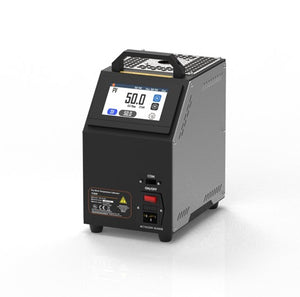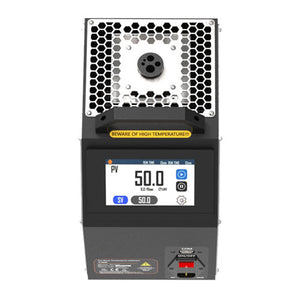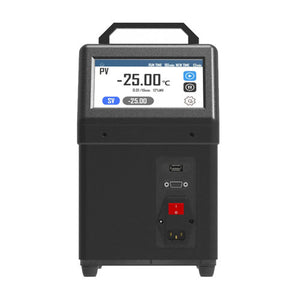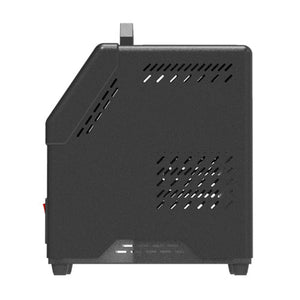
Dry/Wet Block Temperature Calibrators

A temperature calibrator is an essential tool for checking, testing, and verifying temperature sensors and probes in industrial, laboratory, and process control environments. Whether using a dry block calibrator or a wet block calibrator, these instruments provide a stable and accurate temperature source for reliable calibration work.

Designed for precision and repeatability, these devices help maintain quality standards, improve process control, and support compliance with industry requirements. From routine maintenance checks to critical system verification, temperature calibration equipment plays a key role in ensuring measurement accuracy across a wide range of applications.

Passer à la grille des produits

5 produits

Dry/Wet Block Temperature Calibrators - Key Benefits & Features

  • Accurate and stable temperature reference sources
  • Suitable for testing sensors, probes, and thermometers
  • Available in dry block and wet block formats
  • High precision for industrial and laboratory use
  • Improves measurement reliability and quality control
  • Supports compliance and audit requirements

How It Works / How It’s Used

A temperature calibrator generates a controlled and stable temperature that acts as a reference point. With a dry block calibrator, the probe is inserted into a heated or cooled metal block, while a wet block calibrator uses a liquid medium for improved thermal contact. In both cases, the device holds a precise temperature so readings from the test instrument can be compared against a known value.

Users simply set the required temperature, allow the system to stabilise, and then insert the sensor or probe being tested. Any deviation can be measured and recorded, helping confirm accuracy or identify the need for adjustment or replacement.

Ideal Use / Applications

  • Industrial process control and maintenance
  • Calibration laboratories and test facilities
  • Quality assurance and inspection routines
  • HVAC, manufacturing, and engineering environments
  • Any application requiring accurate temperature verification

Important Considerations & Safety Notes

  • Temperature calibrators operate at high temperatures, so appropriate heat-resistant gloves and handling procedures should always be used.
  • Ensure the unit is placed on a stable, heat-resistant surface with adequate ventilation around the device.
  • Always allow the calibrator to cool fully before moving, cleaning, or storing it.
  • Use only probes and inserts that are compatible with the specific model to ensure accurate readings and safe operation.
  • Regular calibration and maintenance checks are recommended to maintain measurement accuracy and reliable performance.

Customer Reviews

⭐⭐⭐⭐⭐

"Replacement New Dryblock Calibrator

Been scouring the internet in search of a replacement dryblock calibrator to replace my aged old failing Ametek one. Then found this one by chance by under control instruments.
got the order placed and it arrived very quickly, well packaged and comes in its own flight case. Extremely impressed with this compact unit very easy to use graphic interface, and the speed it gets to the temperature you set it to. Well impressed also with its accuracy straight out of the box. An excellent value for money purchase with the temperature coverage it can do, highly recommend this unit. A+++++++++++++++++"

Frequently Asked Questions (FAQs)


What is a temperature calibrator used for?

It is used to test and verify the accuracy of temperature sensors, probes, and thermometers.

What is the difference between a dry block and a wet block calibrator?

A dry block uses a metal insert for the probe, while a wet block uses liquid for better thermal contact and often higher accuracy.

How accurate are temperature calibrators?

They are designed to provide highly stable and precise temperature references, suitable for professional calibration work.

Do I need calibration training to use one?

Basic operation is straightforward, but proper procedures and training help ensure accurate and reliable results.

How often should temperature instruments be checked?

This depends on industry requirements, usage, and quality standards, but regular checks are recommended.

Need accurate and reliable temperature calibration?

Browse our range of temperature calibrators, or get in touch for guidance on choosing the right dry or wet block solution for your application.