

Infrared Lamps
Infrared lamps provide a fast, efficient and reliable source of radiant heat for a wide range of industrial, commercial and specialist applications. Designed to deliver controlled infrared energy directly to the target area, these lamps heat objects and surfaces without needing to warm the surrounding air. This makes infrared lamps an ideal choice for processes that require rapid heat-up times, focused heat distribution and high energy efficiency. Our range includes a selection of infrared heat lamps, all engineered for long life, stable performance and consistent heat output.
At Under Control Instruments, we supply quality infrared heating lamps suitable for OEMs, maintenance teams, production facilities and commercial environments across the UK. Whether you're replacing a lamp in an existing system or upgrading your heating setup, our IR lamps are available in a variety of wattages, lengths, fittings and wavelengths to match your specific process requirements. With short-tail, transactional searches in mind, this category ensures you can quickly find the right infrared lamp for drying, curing, heating, food-service equipment and many other applications.
-
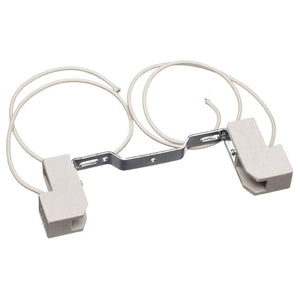

R7S Ceramic Lamp Holder (118mm)
Regular price £1.38Regular price -
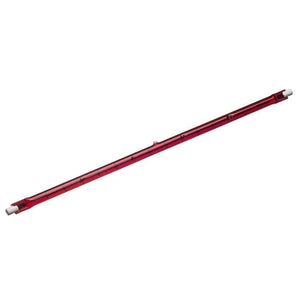
Ruby Infrared lamp 1400W, 230V, 348mm, R7S ends
Regular price £9.75Regular price£0.00Sale price £9.75 -
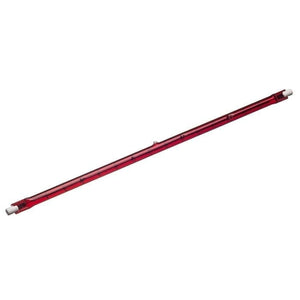
Ruby Infrared Lamp 1500W 230V – 348mm R7S Ends
Regular price £9.75Regular price£0.00Sale price £9.75 -
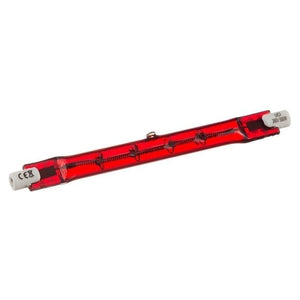
Ruby Infrared Lamps 118-R7S – Long-Life Replacement for Parasol Heaters
Regular price From £4.00Regular price -
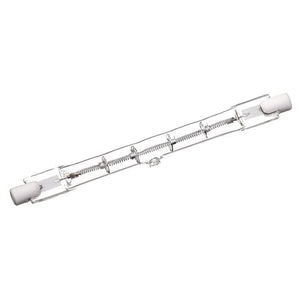
Clear Infrared 118-R7S Catering Lamps
Regular price From £3.31Regular price -


Birchwood Rhino TQ3 R7s End Lamp Fittings – 2 Pack
Regular price £9.60Regular price£0.00Sale price £9.60 -

R7S Ceramic Lamp Holder – Model R7S-806AT (2 Pack)
Regular price £5.99Regular price£0.00Sale price £5.99 -
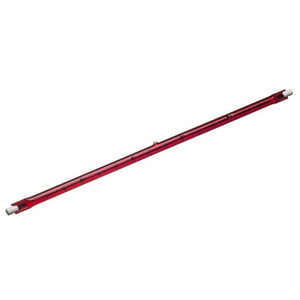
Ruby Infrared lamp 1400W, 110V, 348mm, R7S ends
Regular price £9.75Regular price£0.00Sale price £9.75 -
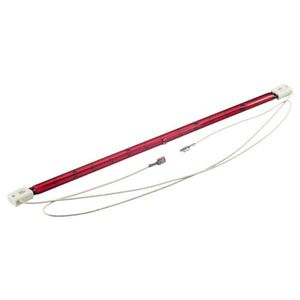
Ruby Infrared Lamp 1.5kW 240V – 350mm SK15 Ends
Regular price £11.00Regular price£0.00Sale price £11.00 -
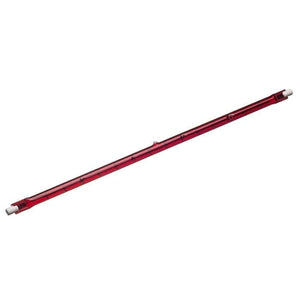
Ruby Infrared lamp 1100W, 230V, 348mm, R7S ends
Regular price £9.75Regular price£0.00Sale price £9.75 -
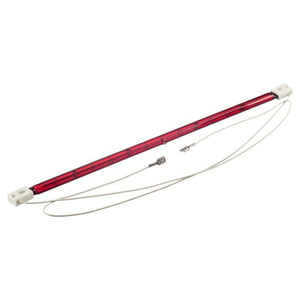
Ruby Infrared lamp 1000W, 240V, 350mm SK15 ends
Regular price £12.00Regular price£0.00Sale price £12.00 -
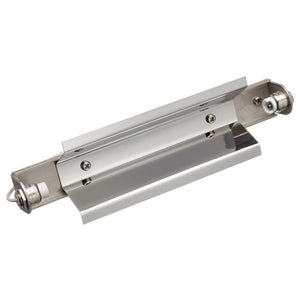
Lampholder and Reflector for 220mm Catering Lamp
Regular price £10.80Regular price£0.00Sale price £10.80 -
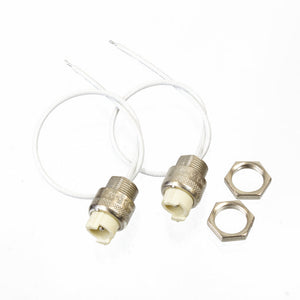
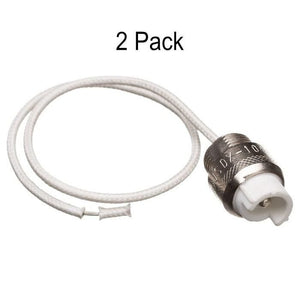
R7S Alloy lamp holder R7S-804AT (pair)
Regular price £3.84Regular price£0.00Sale price £3.84 -
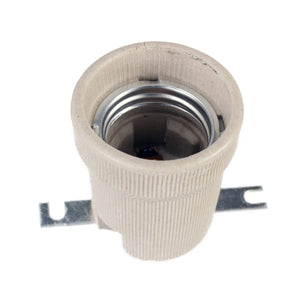
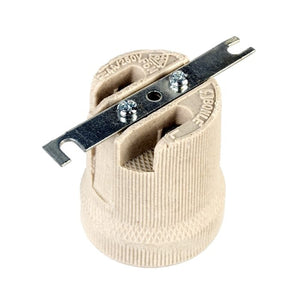
E27 Ceramic Lamp Holder
Regular price £2.16Regular price£0.00Sale price £2.16 -
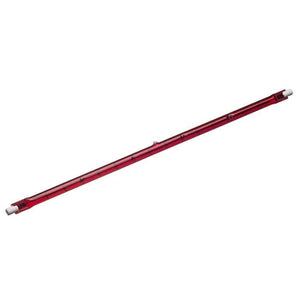
Ruby Infrared lamp 1100W, 110V, 348mm, R7S ends
Regular price £9.75Regular price£0.00Sale price £9.75 -
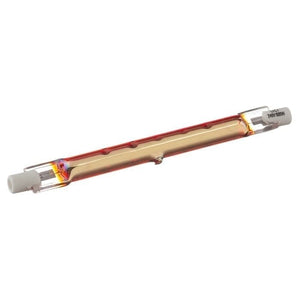
Gold Infrared Lamp 500W 230V 118mm R7S Ends – GIR-500W-118-R7S-7960221
Regular price £9.50Regular price£0.00Sale price £9.50 -


Lamp Holder-118 R7S Flat Bar
Regular price From £1.60Regular price -
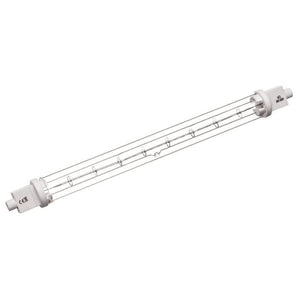
LINCAT LA210 Infrared Gantry Lamp – 220mm, 500W, R7S
Regular price £12.00Regular price£0.00Sale price £12.00 -
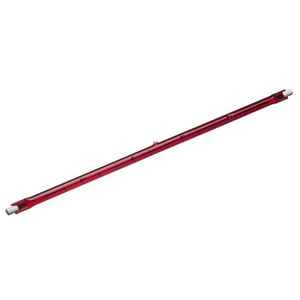
Ruby Infrared lamp 1300W, 230V, 254mm, R7S ends
Regular price £9.00Regular price£0.00Sale price £9.00 -
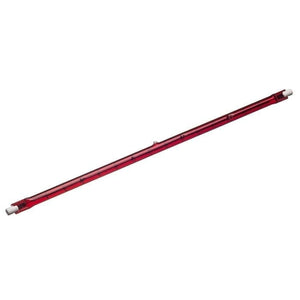
Ruby Infrared lamp 1000W, 230V, 254mm, R7S ends
Regular price £9.00Regular price£0.00Sale price £9.00 -
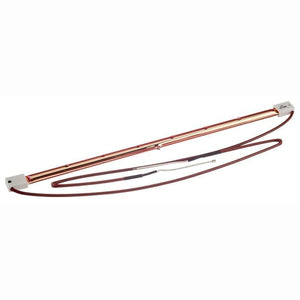
Gold Infrared Lamp 1500W 240V 350mm SK15 Ends – GIR-1.5KW-350-SK15-7960227
Regular price £18.00Regular price£0.00Sale price £18.00 -
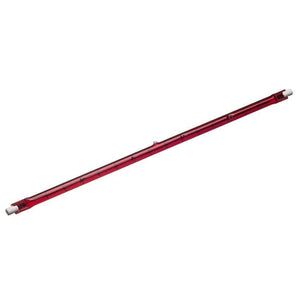
Ruby Infrared Lamp 1500W 110V – 348mm R7S Ends
Regular price £9.75Regular price£0.00Sale price £9.75 -
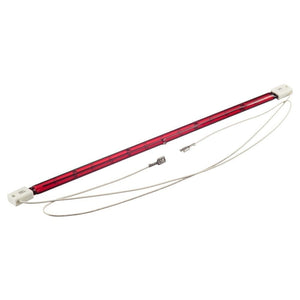
Ruby Infrared Lamp 1000W 530-SK15
Regular price £27.55Regular price£0.00Sale price £27.55 -
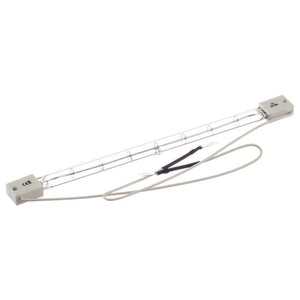
Clear Infrared 216-SK15 Heat Lamp
Regular price From £8.00Regular price -
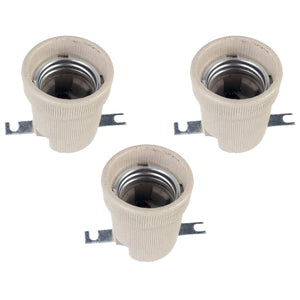
E27 Ceramic Lamp Holder – 3 Pack
Regular price £5.40Regular price£0.00Sale price £5.40 -
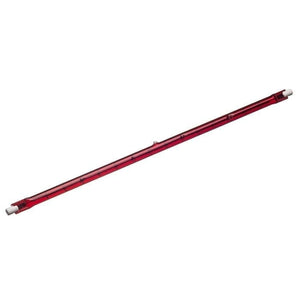
Ruby Infrared lamp 1200W, 230V, 254mm, R7S ends
Regular price £9.00Regular price£0.00Sale price £9.00 -
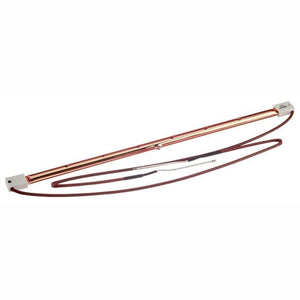
Gold Infrared Lamp 2000W 240V 350mm SK15 Ends – 7960277
Regular price £18.00Regular price£0.00Sale price £18.00 -
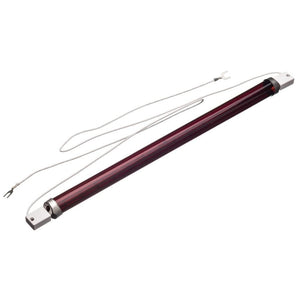
Ruby Jacketed Infrared Lamp – 1500W, 240V, 350mm OAL, SK15
Regular price £26.40Regular price£0.00Sale price £26.40 -
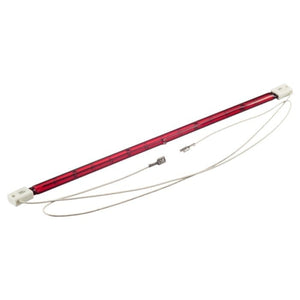
Ruby Infrared lamp 2000W, 240V, 350mm SK15 ends
Regular price £12.60Regular price£0.00Sale price £12.60 -
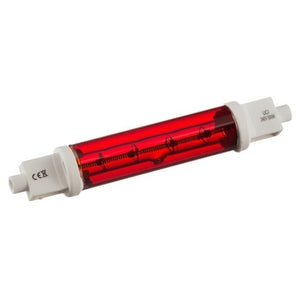
Ruby Jacketed 300W Infrared Lamps 118-R7S
Regular price £9.60Regular price£0.00Sale price £9.60 -
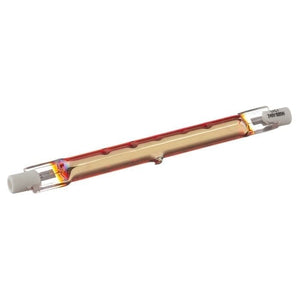
Gold Infrared Lamp 400W, 230V, 118mm R7S ends
Regular price £9.50Regular price£0.00Sale price £9.50 -

R7S Halogen Bulb 78mm 150W 230V – Dimmable J78 Linear Warm White Security Light Bulb 2800K 1180lm – 5 Pack
Regular price £5.88Regular price£0.00Sale price £5.88 -
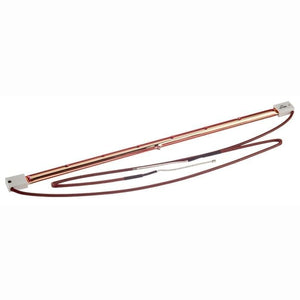
Gold Infrared Lamp 1000W 240V 350mm SK15 Ends – 7960280
Regular price £18.00Regular price£0.00Sale price £18.00 -


R7S Alloy lamp holder R7S-YF-181C (pair)
Regular price £5.40Regular price£0.00Sale price £5.40 -
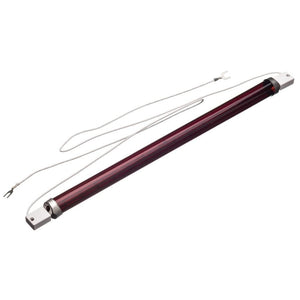
Ruby Jacketed Infrared lamp 1000W, 240V, 350mm SK15 ends
Regular price £27.60Regular price£0.00Sale price £27.60 -
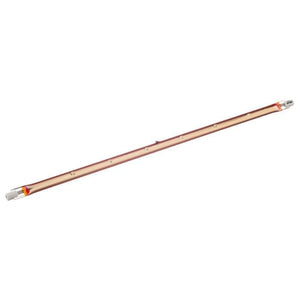
Gold Infrared Lamp 1500W, 230V, 348mm, R7S ends 7960221
Regular price £18.00Regular price£0.00Sale price £18.00


Frequently Asked Questions (FAQs)
What is an infrared lamp used for?
What is an infrared lamp used for?
What is the difference between an infrared lamp and a standard heat lamp?
What is the difference between an infrared lamp and a standard heat lamp?
How long do infrared heating lamps last?
How long do infrared heating lamps last?
Can infrared lamps be used for industrial processes?
Can infrared lamps be used for industrial processes?
Are infrared lamps safe to use?
Are infrared lamps safe to use?