

Cartridge Heaters
Cartridge heaters are precision-engineered heating elements designed to deliver reliable, high-density heat in confined spaces. At Under Control, our cartridge heaters range is built to meet the demanding needs of UK industrial, mould-tooling, and manufacturing applications. Whether you need a heater cartridge for a mould, a die, or platen, or you're repairing existing equipment, our cartridges are manufactured to tight tolerances, built for longevity and engineered for excellent thermal performance.
Our selection includes a variety of sizes, wattages and terminations - from compact 6.5 mm and 10 mm diameters to high-watt density options and NPT-threaded immersion designs. Each cartridge heater is made to be pushed directly into pre-drilled holes, minimising air gaps and improving thermal transfer. With fast UK dispatch and expert support, Under Control makes it easy to order the right heater cartridges for your process, reducing downtime and boosting efficiency.
-
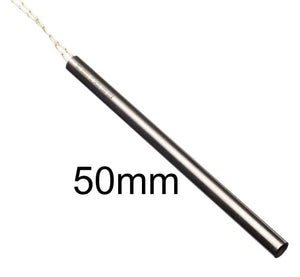
Cartridge Heater 10 x 50mm 200w 230v
Regular price £8.00Regular price£0.00Sale price £8.00 -
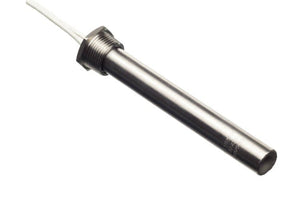
Cartridge Heaters with NPT Thread – 240V
Regular price From £18.50Regular price -
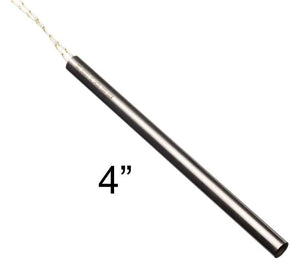
Cartridge Heater 1/2" x 4" 275w 240v
Regular price £12.00Regular price£0.00Sale price £12.00 -
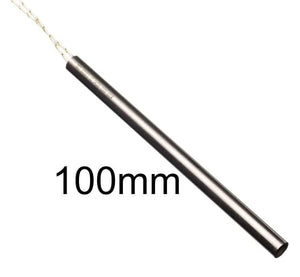
Cartridge Heater 10 x 100mm 150w 230v
Regular price £14.00Regular price£0.00Sale price £14.00 -
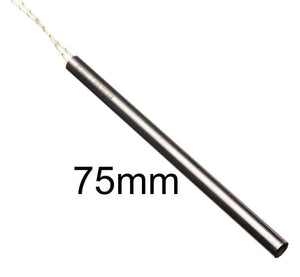
Cartridge Heater 10 x 75mm 400w 230v
Regular price £9.00Regular price£0.00Sale price £9.00 -
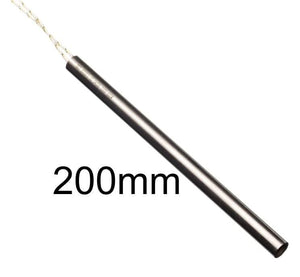
Cartridge Heater 12.5 x 200mm 600w 230v
Regular price £14.50Regular price£0.00Sale price £14.50 -
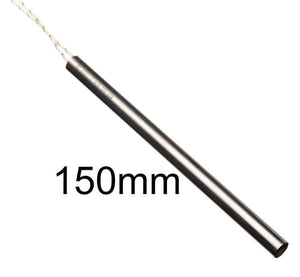
Cartridge Heater 10 x 150mm 600w 230v
Regular price £13.00Regular price£0.00Sale price £13.00 -
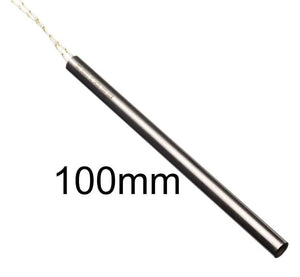
Cartridge Heater 10 x 100mm 500w 230v
Regular price £11.50Regular price£0.00Sale price £11.50 -
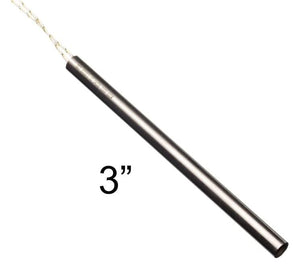
Cartridge Heater 3/8" x 3" 250w 240v
Regular price £9.00Regular price£0.00Sale price £9.00 -
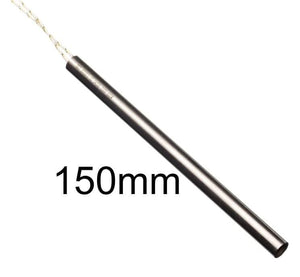
Cartridge Heater 16 x 150mm 500w 230v
Regular price £15.00Regular price£0.00Sale price £15.00 -
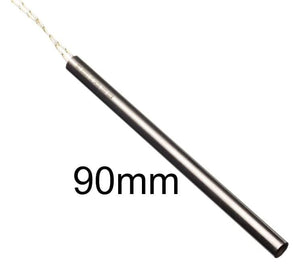
Cartridge Heater 10 x 90mm 300w 230v
Regular price £11.50Regular price£0.00Sale price £11.50 -
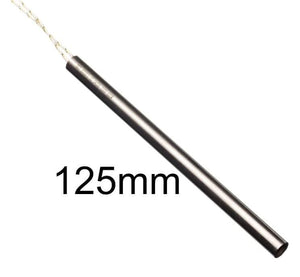
Cartridge Heater 6.5 x 125mm 400w 230v
Regular price £11.00Regular price£0.00Sale price £11.00 -
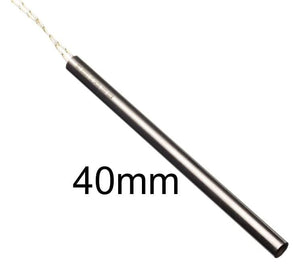
Cartridge Heater 10 x 40mm 200w 230v
Regular price £8.00Regular price£0.00Sale price £8.00 -
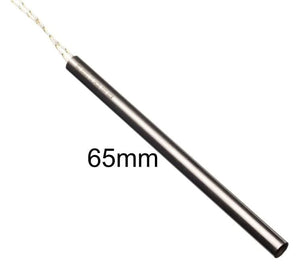
Cartridge Heater 10 x 65mm 300w 230v
Regular price £8.50Regular price£0.00Sale price £8.50 -
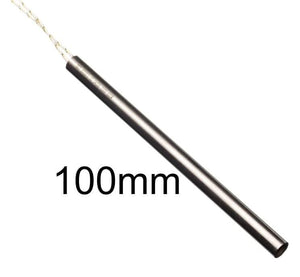
Cartridge Heater 16 x 100mm 250w 230v
Regular price £13.75Regular price£0.00Sale price £13.75 -
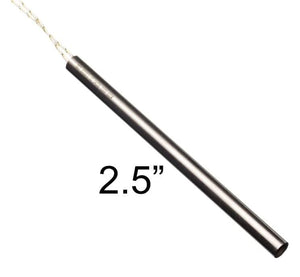
Cartridge Heater 1/2" x 2.5" 470w 240v
Regular price £11.00Regular price£0.00Sale price £11.00 -
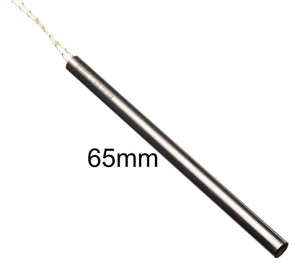
Cartridge Heater 12.5 x 65mm 250w 230v
Regular price £11.00Regular price£0.00Sale price £11.00 -
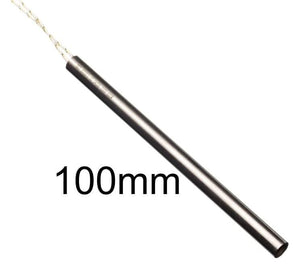
Cartridge Heater 12.5 x 100mm 250w 230v
Regular price £12.00Regular price£0.00Sale price £12.00 -
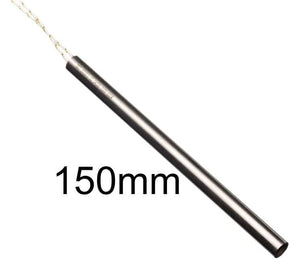
Cartridge Heater 10 x 150mm 300w 230v
Regular price £13.00Regular price£0.00Sale price £13.00 -
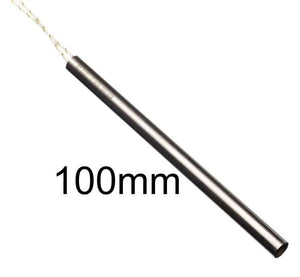
Cartridge Heater 10 x 100mm 350w 230v
Regular price £11.50Regular price£0.00Sale price £11.50 -
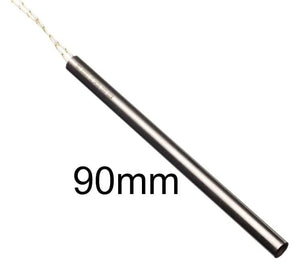
Cartridge Heater 10 x 90mm 150w 230v
Regular price £11.00Regular price£0.00Sale price £11.00 -
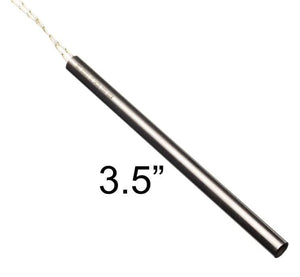
Cartridge Heater 1/4" x 3.5" 90w 240v
Regular price £9.80Regular price£0.00Sale price £9.80 -
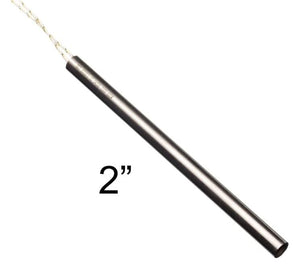
Cartridge Heater 1/4" x 2" 100w 240v
Regular price £9.60Regular price£0.00Sale price £9.60 -
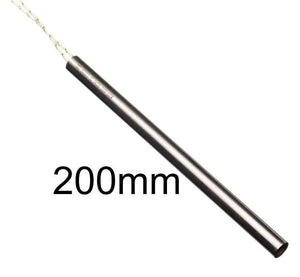
Cartridge Heater 10 x 200mm 630w 240v
Regular price £14.00Regular price£0.00Sale price £14.00 -
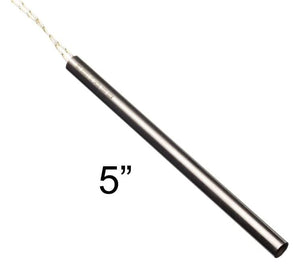
Cartridge Heater 3/8" x 5" 280w 240v
Regular price £11.75Regular price£0.00Sale price £11.75 -
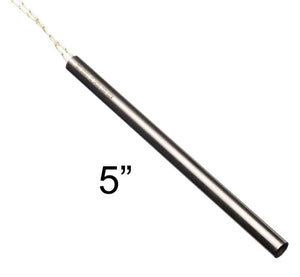
Cartridge Heater 3/8" x 5" 500w 240v
Regular price £11.75Regular price£0.00Sale price £11.75 -
Sold out
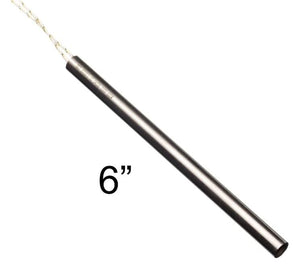
Cartridge Heater 3/8" x 6" 350w 240v
Regular price £13.00Regular price£0.00Sale price £13.00 -
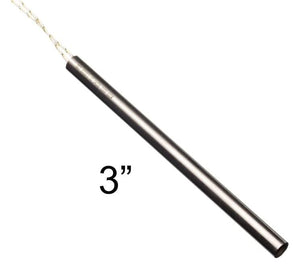
Cartridge Heater 3/8" x 3" 400w 240v
Regular price £8.50Regular price£0.00Sale price £8.50 -
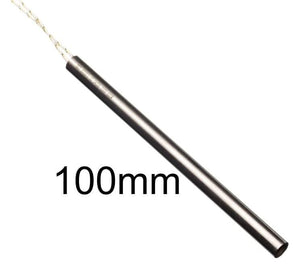
Cartridge Heater 6.5 x 100mm 400w 230v
Regular price £9.90Regular price£0.00Sale price £9.90 -
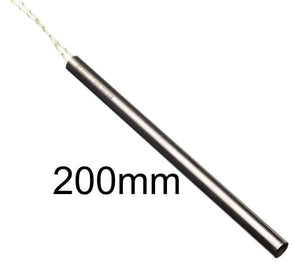
Cartridge Heater 16 x 200mm 1000w 230v
Regular price £16.00Regular price£0.00Sale price £16.00 -
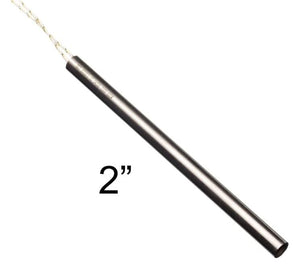
Cartridge Heater 1/2" x 2" 200w 240v
Regular price £10.50Regular price£0.00Sale price £10.50 -
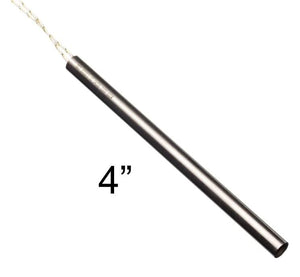
Cartridge Heater 1/2" x 4" 275w 120v
Regular price £12.00Regular price£0.00Sale price £12.00 -
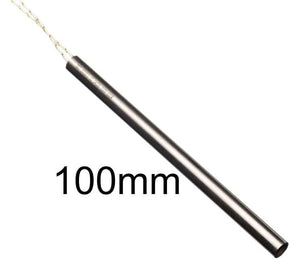
Cartridge Heater 12.5 x 100mm 450w 230v
Regular price £12.00Regular price£0.00Sale price £12.00 -
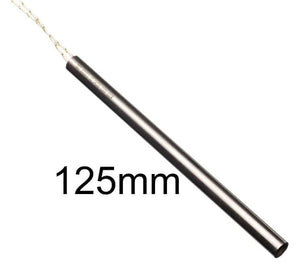
Cartridge Heater 12.5 x 125mm 325w 230v
Regular price £13.00Regular price£0.00Sale price £13.00 -
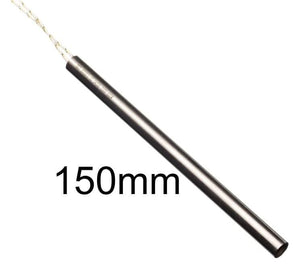
Cartridge Heater 12.5 x 150mm 400w 230v
Regular price £13.50Regular price£0.00Sale price £13.50 -
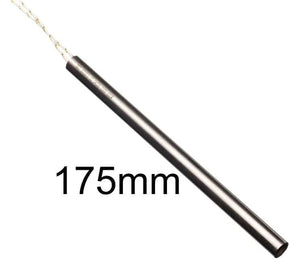
Cartridge Heater 12.5 x 175mm 500w 230v
Regular price £14.00Regular price£0.00Sale price £14.00
Frequently Asked Questions (FAQs)
What are cartridge heaters used for?
What are cartridge heaters used for?
How do I choose the right cartridge heater?
How do I choose the right cartridge heater?
Can cartridge heaters be used to heat liquids?
Can cartridge heaters be used to heat liquids?
Why do cartridge heaters fail prematurely?
Why do cartridge heaters fail prematurely?
Can I control the temperature of a cartridge heater?
Can I control the temperature of a cartridge heater?